
Numbers
1.Rote counting 100 and beyond
2.Identify number symbols 0-100
3.Associates and matches the numbers to objects
4.Counts irregular arrangements of numbers
5.Writing numeral 1-100
6.Backward counting
7.Begins simple addition (single digits only) through games, word problems & other practical activities
8.Count aloud in twos, fives and tens till 100(skip counting)
9.Identify ’before’, ’after’ and ’in between’ numbers
10.Begins to write number names ’one’ †two†till ten.
Comparative
1.Wide and narrow, above and below, near and far ,rough and smooth, odd and even &many and few, front and back
2.Full, half, quarter and empty
3.Color, shape and space
4.Mixing colors to create more colors; primary and secondary through the color wheel
5.Sequence colors by their hues, tints (light to dark)
6.Begin to use mathematical names for ‘solid’ 3D shapes and mathematical terms to describe shapes-semi circle, oval ,star, diamond, sphere, cylinder and pyramid
7.Find items from positional or directional clues.
Time
1.Use everyday language related to time; order and sequence familiar events, and measure short periods of time with a non-standard unit, e.g. with a sand timer
2.Introduction to clocks
Listening skills
1.Listening to a second language and identifying sounds
2.Listening and identifying beginning, middle and ending sounds
Speaking skills
1.Speaking with correct pronunciation, intonation and stress
2.Recite simple rhymes, songs, days of the week, months of the year, names of fruits and vegetables
3.Uses conversation skills to gain attention and also uses action rather than talk to demonstrate or explain to others
4.Consistently develops a simple story
Reading skills
1.Sight read a set of 20 high frequency words
2.Sight reading simple phrases and sentences through readers
3.Learning to blend the letter together and decode a word
4.Reading three letter words with word families (an, at, et, en etc.)
5.Continue a rhyming string
6.Associate upper case & lower case letters
7.Recognition of initial, middle and ending sounds of words
8.Reading simple books, recognize name of the book, name of author etc
Writing skills
1.Writing of capital and small letters a-z
2.Writing 3 letter words and beginning, middle and ending letters by associating with sounds
3.Writing word from the word family.
4.Writes their own names and other things such as labels and captions
5.Write singular and plural words
6.Writing opposite words
7.Writing short sentences associated with pictures
8.Creative writing through Journal writing
Fine Motor
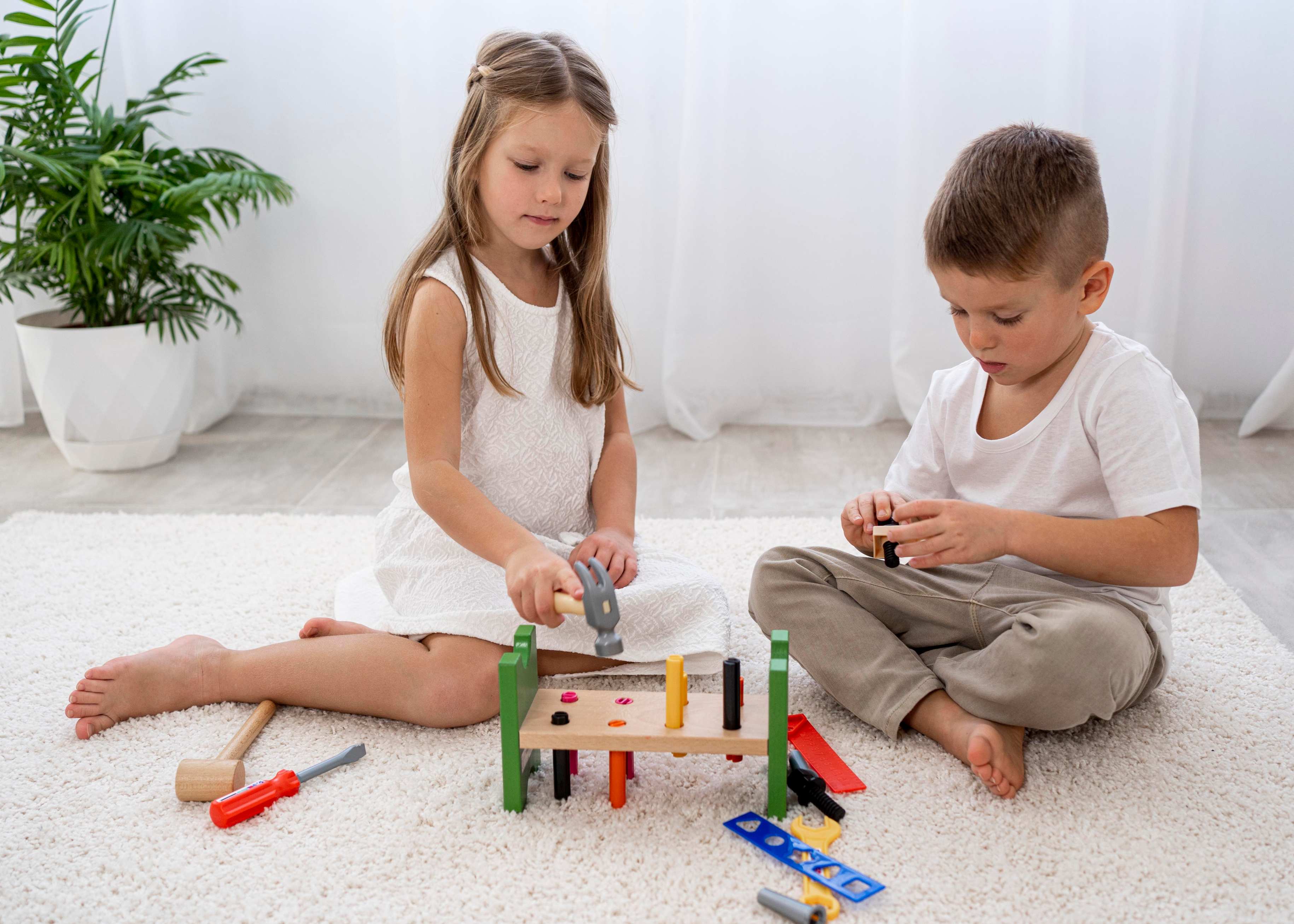
1.Explore and handle tools, objects, construction, malleable materials safely and with a good degree of control
2.Manipulates materials to achieve a planned effect
Gross Motor
1.Initiate new combinations of movement and gesture in order to express and respond to feelings, ideas and experiences
2.Goes backwards and sideways as well as forward while walking
3.Fundamentals of throwing, catching, striking, jumping, kicking, and bouncing
4.Spatial and directional awareness (right/left) and personal space
5.Construct with large materials such as cartons, fabric and planks
6.Use increasing control over an object, such as a ball, by touching, pushing, patting, throwing, catching or kicking it
7.Begins to understand and play organized games
Health & Hygiene
1.Shows understanding of the need for safety when tackling new challenges
2.Understand good practices towards maintaining health and hygiene and makes others aware about it too
3.Dress and undress independently and manage their own personal hygiene
4.Practices some appropriate safety measures (avoids dangerous equipment, material) without direct supervision
5.Choose healthy foods from the basic food groups
Art
1.Recognize and describe simple patterns in the environment and works of art
2.Use symmetry to create balance in a work of art
3.Talk about personal intentions, describing what they were trying to do
4.Combine different media to create new effects
5.Explore colour, texture, shape, form and space in two or three dimensions
6.Use their imagination in art and design, music, dance, imaginative, role-play and stories
7.Use tools and processes such as scissors, drawing implements, craft material, glue and brushes with skill and creativity
8.Understand that things can be drawn from life as well as from their imagination Music & movement
9.Begins to build a repertoire of songs and dances
10.Develop a sense of auditory discrimination –sound, beat and melody
11.Creates own music and short songs (modify existing songs)
Self
1.Has a sense of personal identity
2.Developing awareness of own needs, views and feelings, and sensitive to the needs, views and feelings of others
3.Understands when need are not immediately met
4.Can describe self in positive terms and talk about abilities
5.Shows compliance with social expectations
6.Expresses frustration with words, not physically.
7.Respect and care for classroom environment and materials
8.Begin to understand ’big voice’ and ’little voice’ (when it is appropriate to speak loudly and softly)
Group
1.Confident to try new activities, initiate ideas and speak in a familiar group
2.Begin to develop respect for their own culture and belief and those of other people
3.Forms friendships with other children
4.Operates independently within the environment and show confidence in linking up with others for support and guidance
5.Begin to develop etiquettes such as politeness, good manners
6.Abide by rules and form agreements